Camera Kiss: how a YouTube-native format is born
Almost every dating show is made for TV and then cut down for digital. Camera Kiss goes the other way.
Read
We turned a CNR-ISMN discovery into a 3D animation, published in Chemistry World.
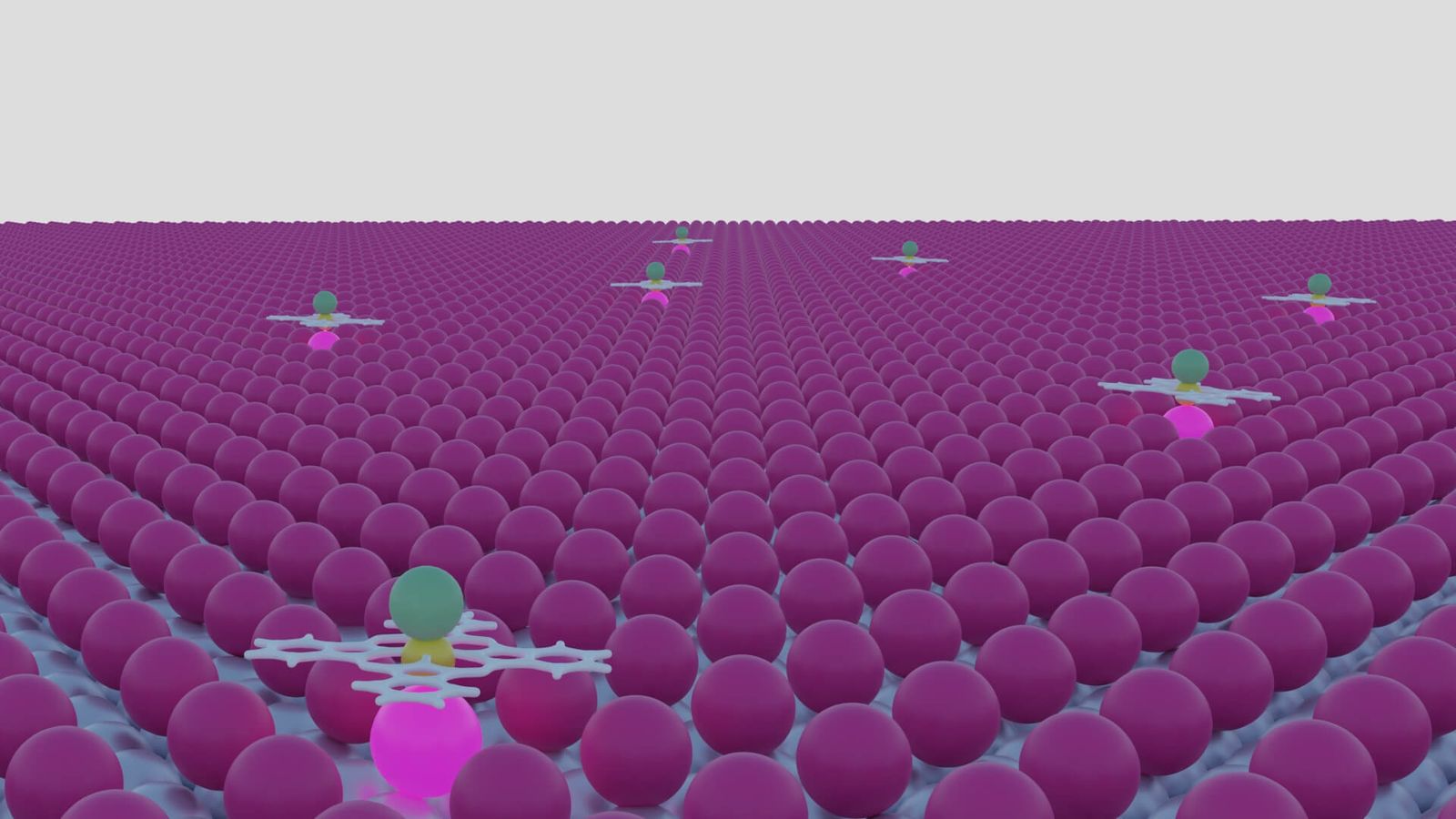
Explaining science is hard. Showing it can make it fascinating. That's why we created the 3D animation of the Molecular Drone, a discovery by the CNR-ISMN team (Institute for the Study of Nanostructured Materials), published in Chemistry World alongside the article about it.
It's not a flying robot, although it looks a bit like one. It's a molecular structure that moves in response to external stimuli, travels across a surface on its own and changes shape as it goes. A discovery that opens new possibilities for nanotechnology and molecular robotics, with applications in medicine, electronics and smart materials.
3D lets us see what stays invisible to the naked eye. Francesco Cesarini modeled the molecule in a detailed environment, simulated its behavior realistically and turned it into a short, clear animation. That way its movement across the surface makes sense even to people outside the field.
Combining rigor and design doesn't just make content look better: it makes it easier to understand. Seeing the work published in Chemistry World shows how much visual science communication matters today.
Start from content, or from wherever you are today: let's talk it through.

Almost every dating show is made for TV and then cut down for digital. Camera Kiss goes the other way.
Read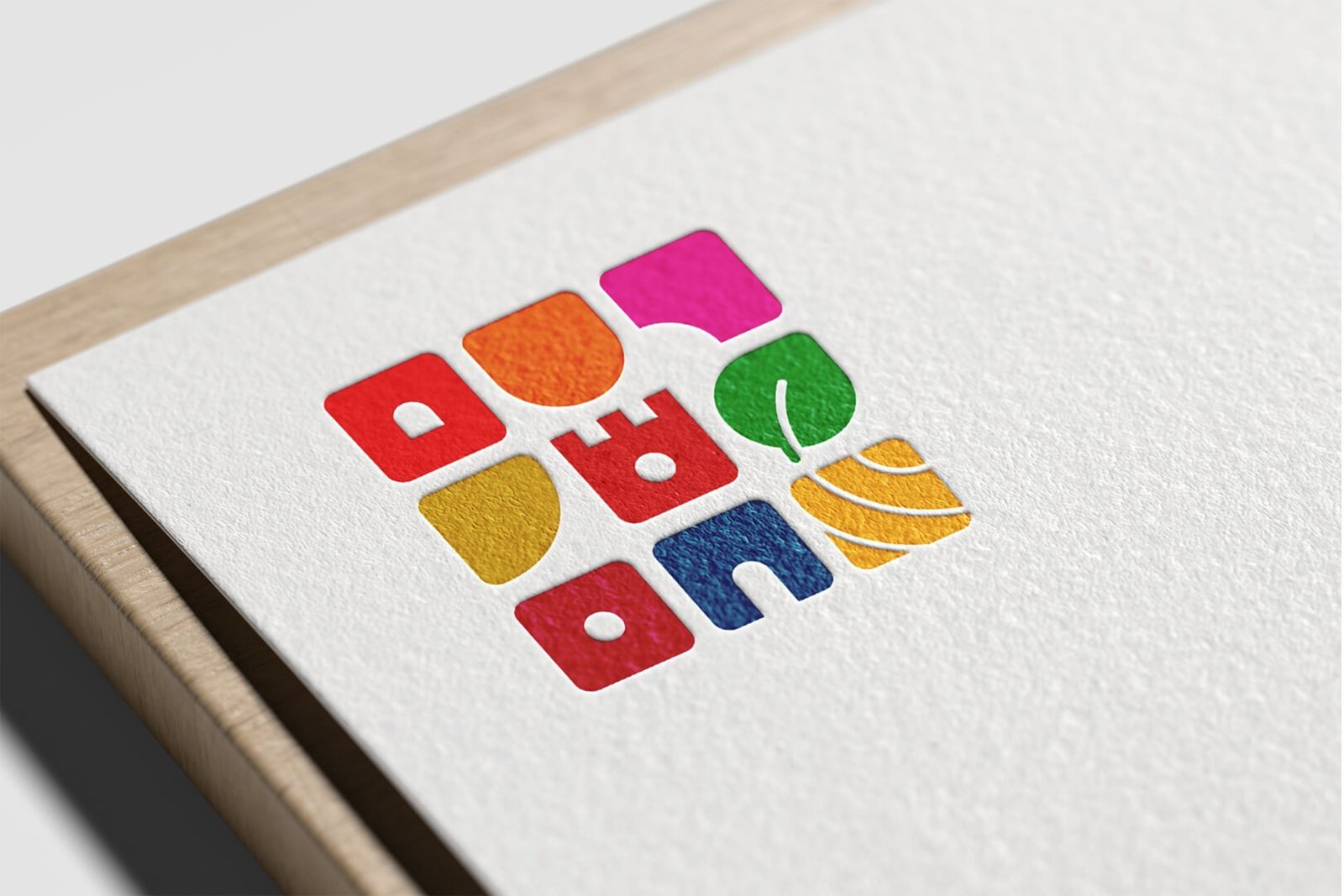
No overused green, no vague slogans: how we built a pop, modular identity for a festival about the ecological transition.
ReadFrom students' sketches to patterns for the Artefiera exhibition: a workshop on using AI without losing your own hand.
ReadTell us where you'd like to start. We'll reply within one business day, with a proposal or the right questions.